:max_bytes(150000):strip_icc()/white-tape-measure--tape-measuring-length-in-meters-and-centimeters--619528488-5ad8aa5304d1cf00374b0a5b.jpg)
Key Body Measurements
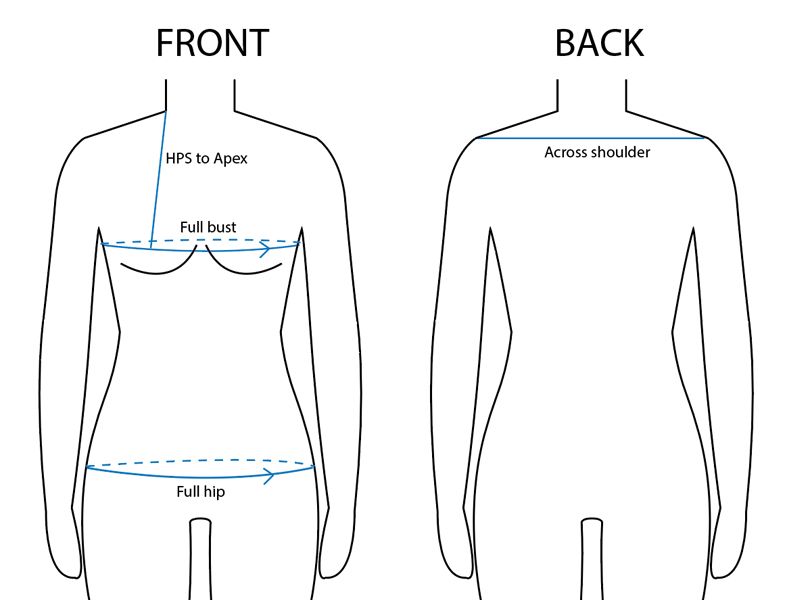
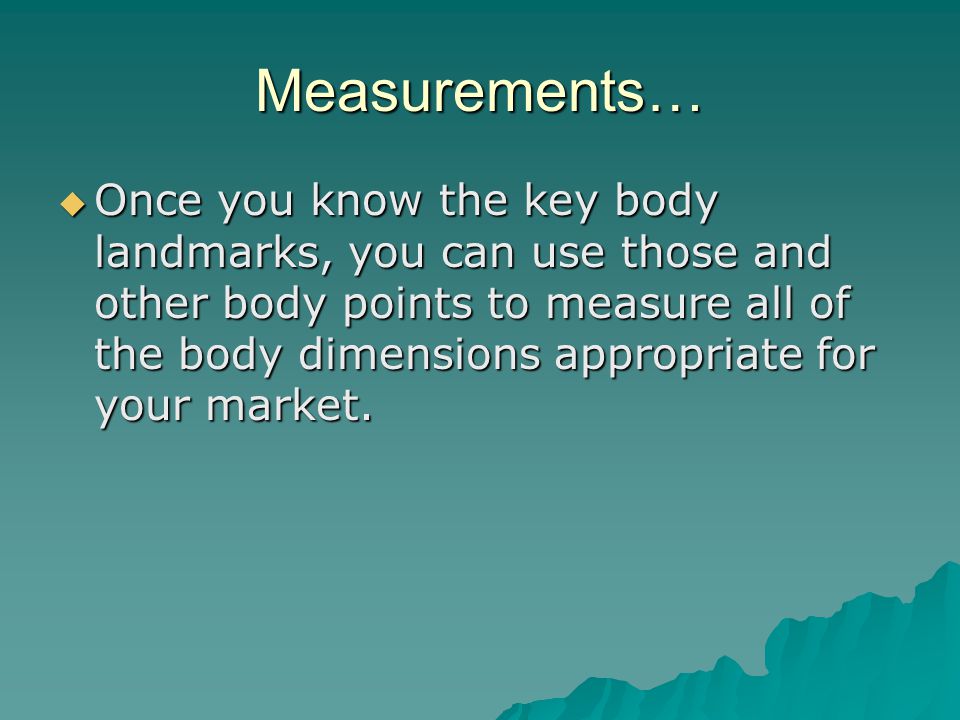
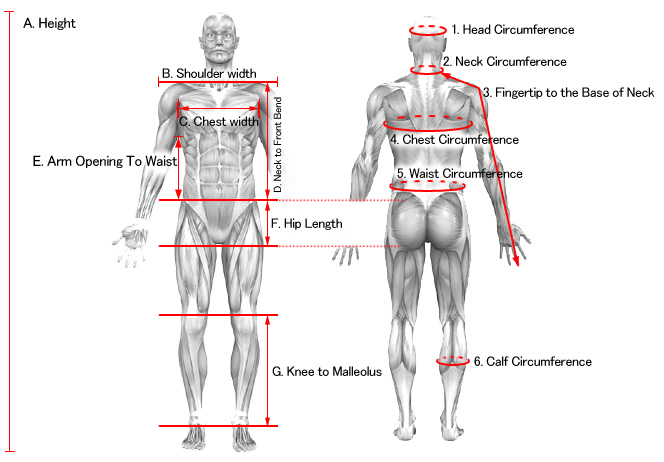
A bust measure the bust at the fullest part. It gives an approximate measure of your total body fat and indicates whether youre overweight or obese. Keep the feet together relax your muscles and stand up straight. Body measurements are a prerequisite to pattern construction. Consistency is essential measure under the same conditions and using the same equipment each time. Measure the circumference of your chest.
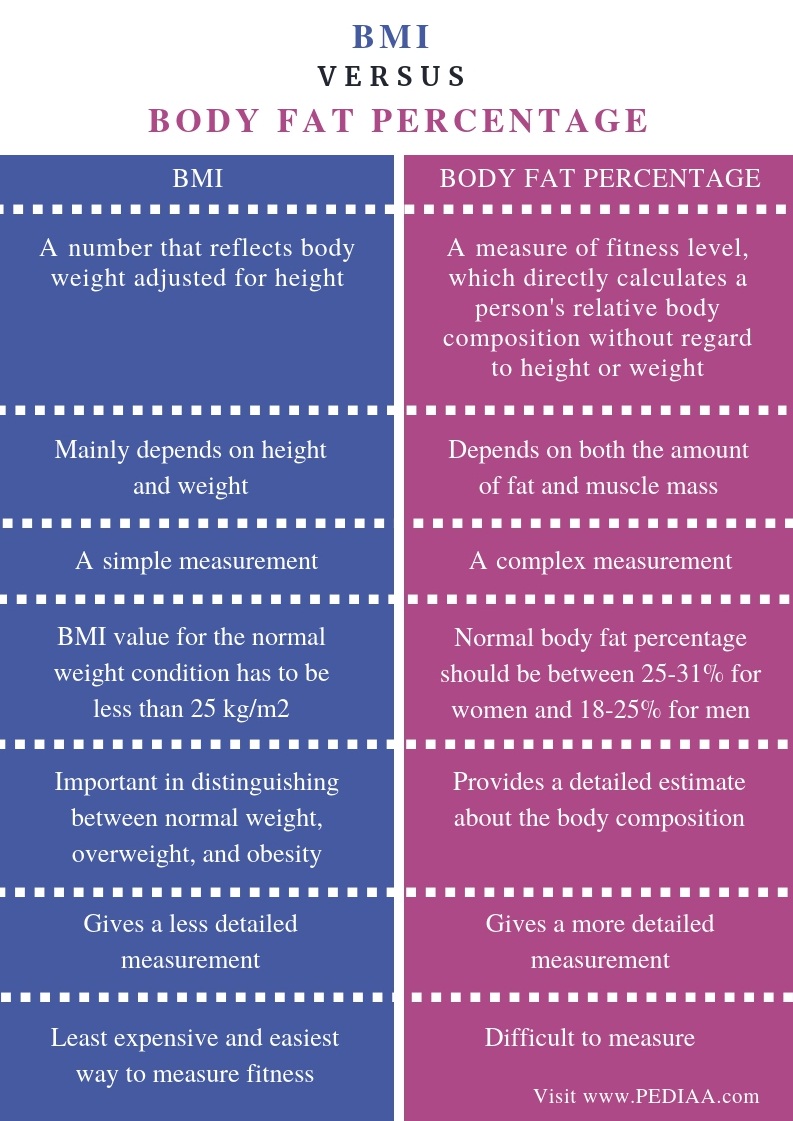
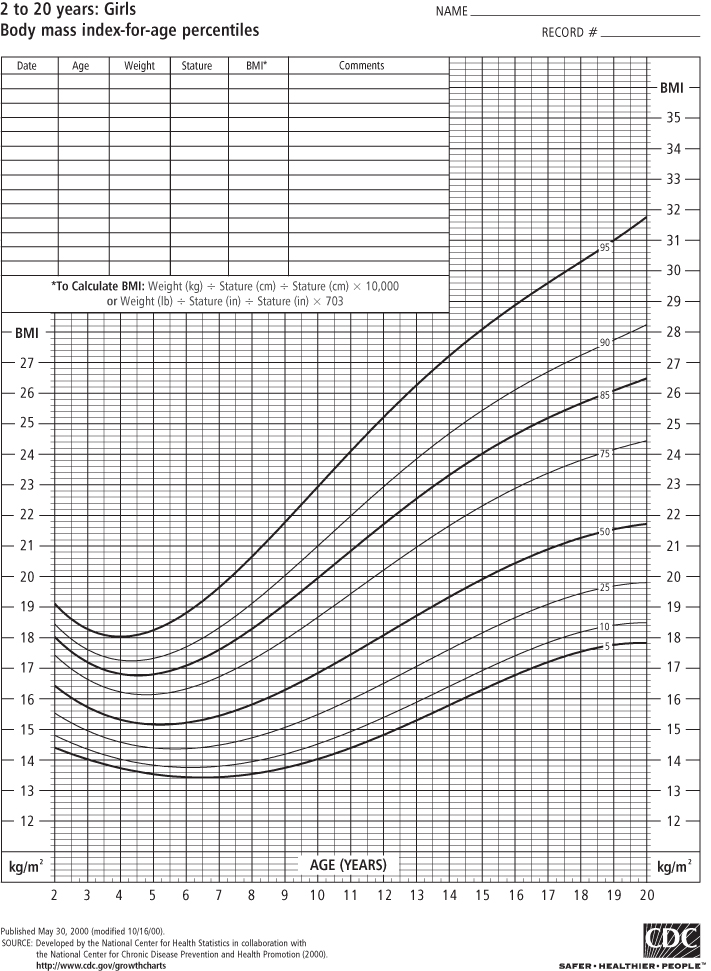
Pull the tape tight keeping pressure against but not pinching the skin and ensure the tape is kept level and not. You can put an elastic band around the waist to mark the correct placement. To get the most accurate measurements use a cloth tape measure not a metal one and measure yourself on your bare skin not over clothes except for your inseam. The size and fit of a garment depends upon the accuracy. Body mass index bmi is a measure of your weight relative to your height. Measure all around the body total circumference.
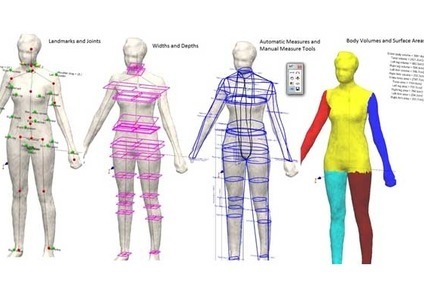
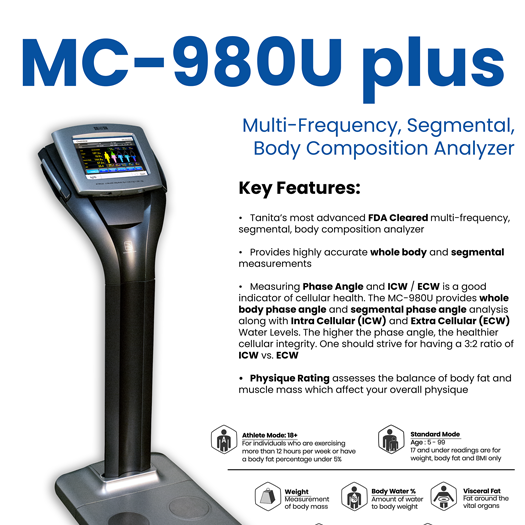
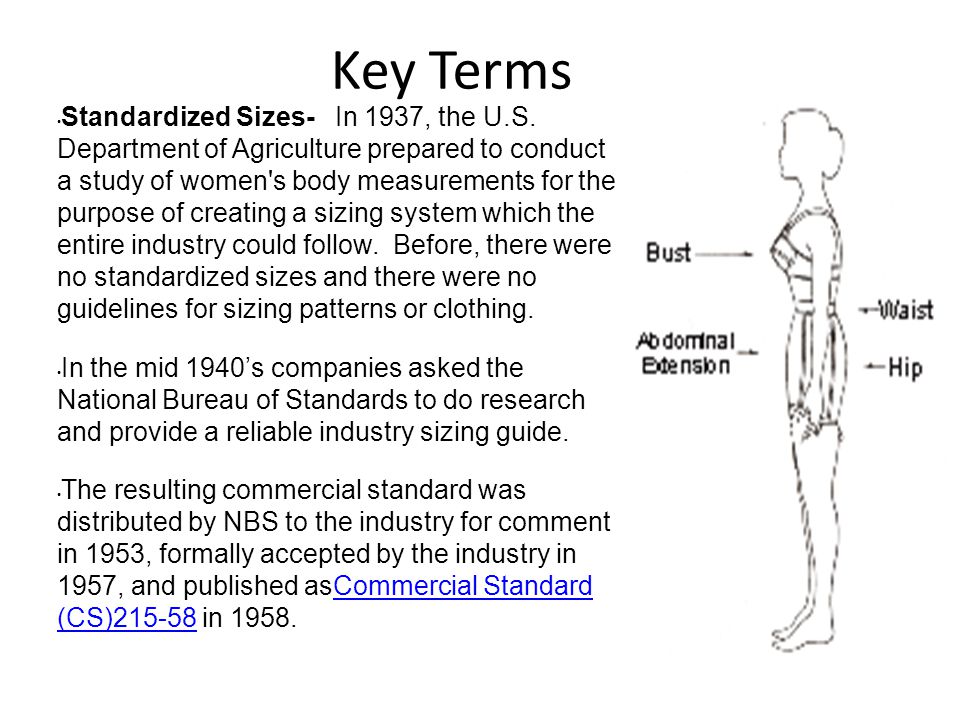
Check out the easy to follow instructions for getting accurate measurements for each body part below. B waist measure the waist where the body bends. Also make sure that when you circle your chest waist. It helps to bend side to side to identify exactly where to measure. At present we are in the transition between traditional manual measuring by tape measure and computerised body scanning or using photographic systems. Being overweight or obese is a risk factor for other diseases and conditions such as diabetes heart disease hypertension osteoarthritis and some cancers.
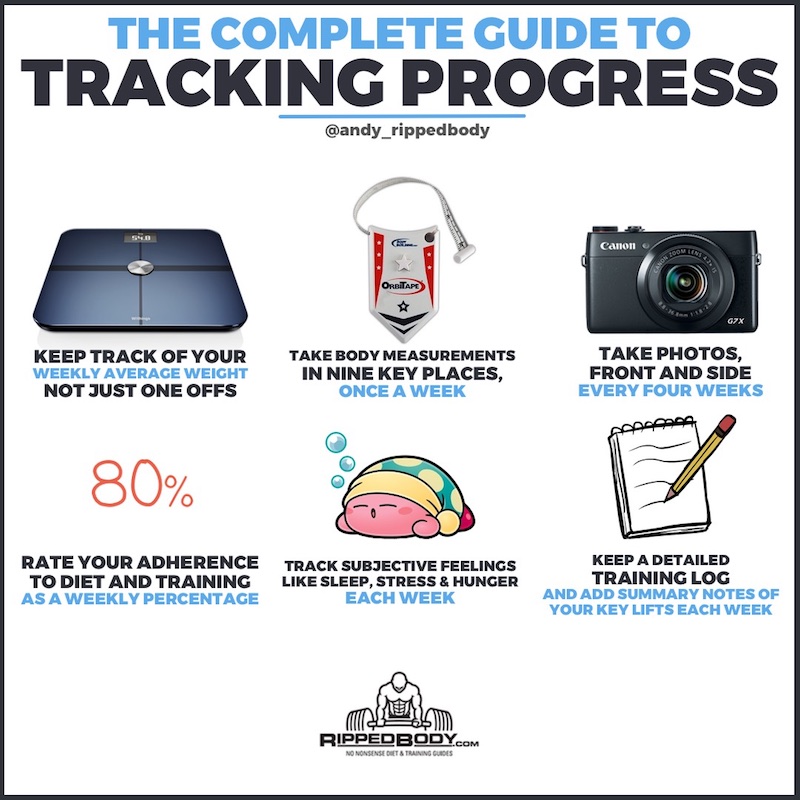
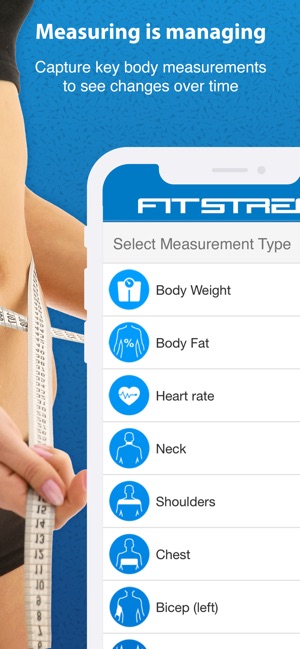
Place one end of the tape measure at the fullest part of your bust wrap it around under your armpits around your shoulder blades and back to the front to get the measurement. Or hips the tape is level and not too tight or too loose. Manual measuring requires a high degree of skill and is time consuming. Generally take measurements in an unflexed state and before your workout not after.





















Random Post
- body measurement gkk
- cesaro body measurement
- digital body temperature measurement
- tessa blanchard body measurements
- ezgo body measurement
- body measurement weight loss
- body width measurement hoodie
- us army body measurement chart
- mim body measurement
- dhanush body measurement
- measurement of horse core body temperature
- body measurement niecy nash
- body temperature measurement instruments
- body fat measurement uk
- nuxe body measurement
- aoa body measurements
- body fat measurement atlanta
- bra size reference
- nayantara body measurement
- body type by measurements
- larry scott body measurements
- lucy robson body measurements
- krystle d'souza body measurement
- vikram body measurement
- body shape hip measurement
- kavita devi body measurements
- emma watson body measurement
- lara stone body measurement
- chest measurement based on bra size
- 14 year girl body measurements
- nursing bra measurement
- chitharesh natesan body measurement
- tia bajpai body measurements
- body measurements exercise
- body measurement gigi hadid
- es 335 body measurements
- body fat bmi measurement
- michael b jordan body measurement black panther
- garry sandhu body measurement
- arjun rampal body measurement
- tarun gill body measurement
- shakti mohan body measurement
- amitabh bachchan body measurement
- mithun chakraborty body measurement
- our generation doll body measurements
- natalie dormer body measurement
- pt body measurements
- army body tape measurements
- waist to hip ratio is a measurement of body fat percentage
- max body measurements
